Free Hobby Coding and AI Tokens
When I was a kid, I had access to a workshop full of scraps and could build all sorts of gadgets.
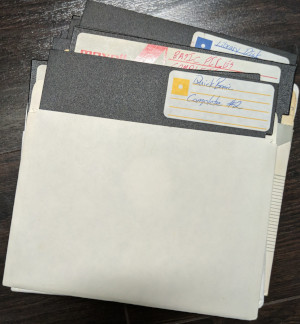
When I got a computer,
I had a BASIC interpreter
and the manual.
I’d occasionally
buy or borrow a reference book
from the school library,
and I could study, experiment,
and crank out all sorts of code
using every page of those books.
I always appreciated that I didn’t need
to consume raw resources
to explore the computer and create things.
The internet
just brought more access.
For nearly 40 years, I’ve tried to stick mostly to freely-available and open-source tools. I want to know that I can keep creating things without great expenses of raw materials or subscriptions. Free tools are likely to be the most accessible and have a community of users.
I don’t count electricity and internet access as programming expenses, since they’re useful for other everyday tasks. (I do sometimes worry about how I’d work on an airplane, though, with limited battery and maybe no internet access.) Will I consider subscription access to AI Models a utility?
I’d be uncomfortable having the AI agent do all this work, but I take the time to review, understand, and decide to keep or toss the agent’s work. If I don’t completely understand the work it did, I ask it for explanations.
I can still study and do work manually, and I often do, so I don’t quite feel like I’m held hostage to that subscription. The agent still needs to use the same tools I would use to do the work by hand. Without the agent, I may just need to focus my attention a bit stronger.